Automating a manual onboarding at Payflip
At Smooth Sailing I worked with Payflip, an HR and compensation platform, to turn a manual, high-touch client onboarding into a guided self-serve flow inside the product, so a new client could get set up on their own instead of being walked through it by hand.
- My role
- UX Designer / Researcheronboarding
- When
- 2020 to 2022
- With
- Payflipat Smooth Sailing
- Outcome
- 12 to 15 hours of supported work, down to around 2per client onboarding
The context
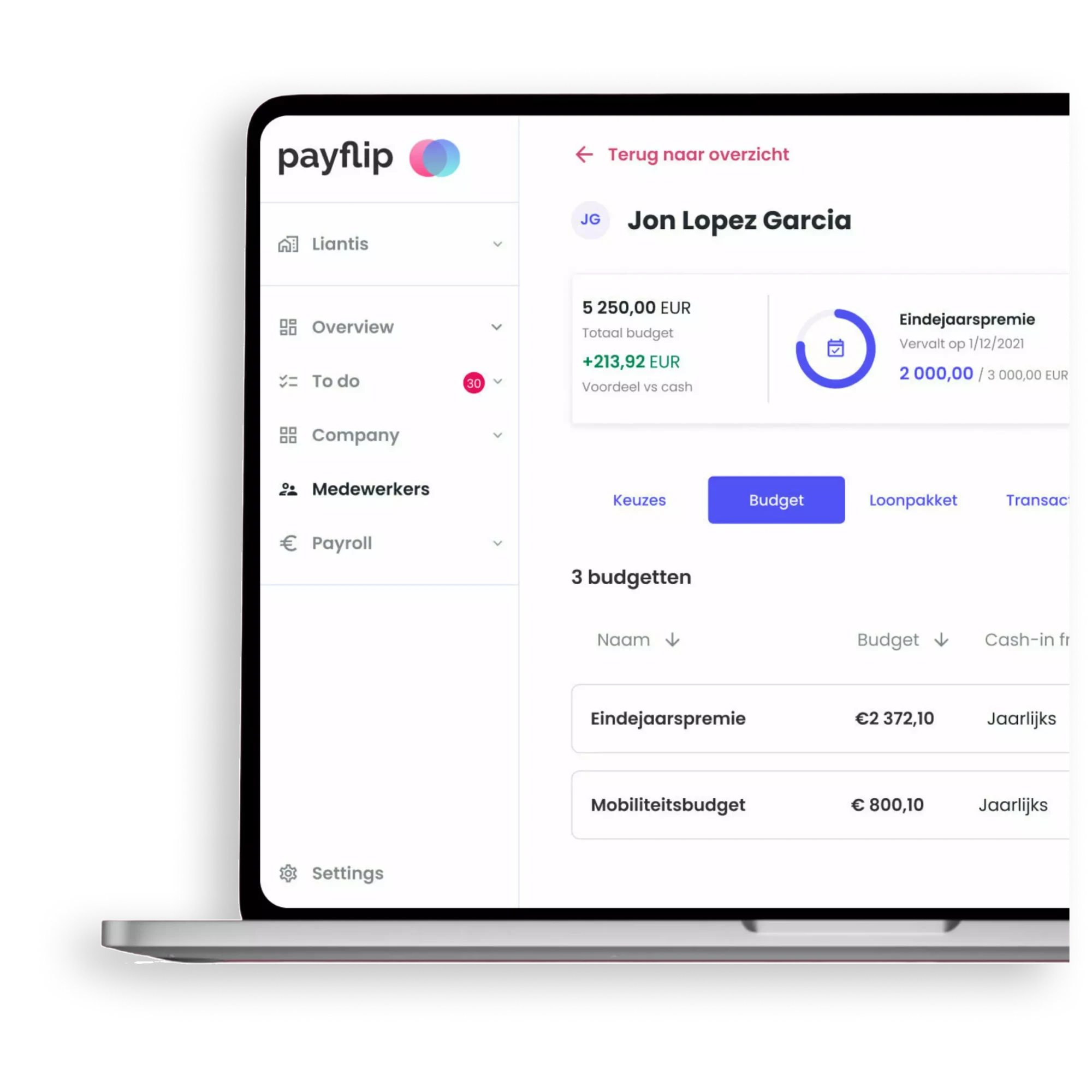
Payflip onboards new companies onto its compensation platform. The process worked, but it leaned heavily on people. Clients received a Google Form, and the customer success team followed up by hand: explaining fields, spotting missing information, and chasing clients until everything was complete. It got results, but it did not scale. Every new client meant hours of manual support.
Mapping the real workflow
We started by watching how onboarding actually happened, not how it was supposed to happen. Mapping the whole flow surfaced the steps where clients and staff genuinely got stuck: the moments that generated the back-and-forth, the follow-up emails, and the delays.
Digitising the highest-friction steps first
Rather than rebuilding everything at once, we digitised the most impactful parts first, directly in the product interface, and tested the new flow with active clients. Each round we refined it against what we saw people do and what they told us, so the design earned its way in instead of being assumed.
A guided, in-app onboarding
The result is an in-app guided onboarding that automates the manual steps while keeping the experience personal. Clear progress indicators show what is done and what is still left, so clients always know where they stand and what to do next, without needing someone to tell them.
Alongside the flow, we set up a basic design system for Payflip in Figma, the shared components and patterns the new screens are built from, so the work stayed consistent and was quicker to extend.
12 to 15 hours → around 2 hours
Onboarding went from roughly 12 to 15 hours of manual, supported work to about 2 hours, fully self-serve. Clients get transparency into their own progress, and Payflip can take on more clients without adding headcount.
My role
This was UX design and research work at Smooth Sailing: observing the real workflow, mapping where the friction lived, designing the guided flow, and testing it with clients to make sure the self-serve version actually held up in practice.
Need this on your team?
This is the kind of work I do embedded in a team, days per week.
Consultancy
Next case
Flexmail
Time-to-value from weeks to days →